1941 – 2023
Life
Eduard Arranz-Bravo’s biography organises itself around the places where he worked. Each studio is a different way of painting, and the breaks fall where they really fell: not every ten years to make the numbers round.
1954 – 1966 · Barcelona
The formation
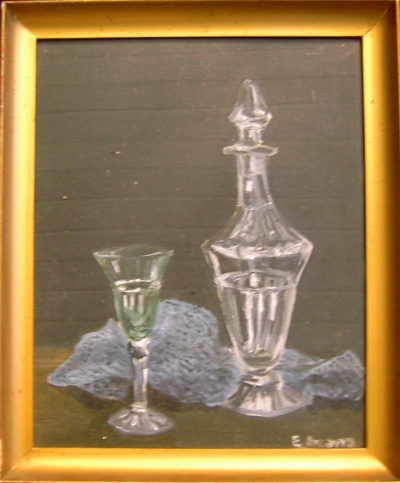
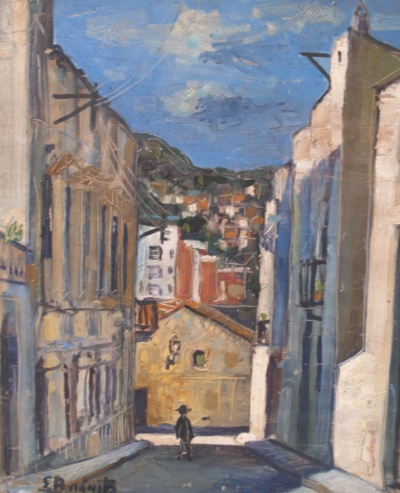
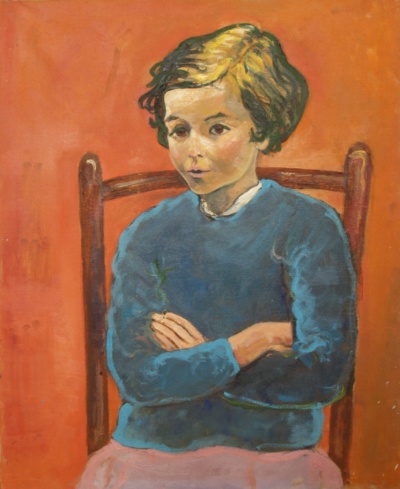
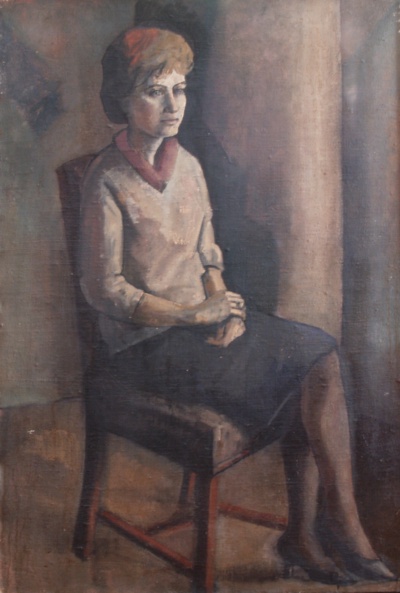
The documented work begins in 1954: still lifes, portraits and street scenes of academic facture, painted before he turned sixteen. Fine art at Sant Jordi from 1959, and a trip to Paris in 1958.
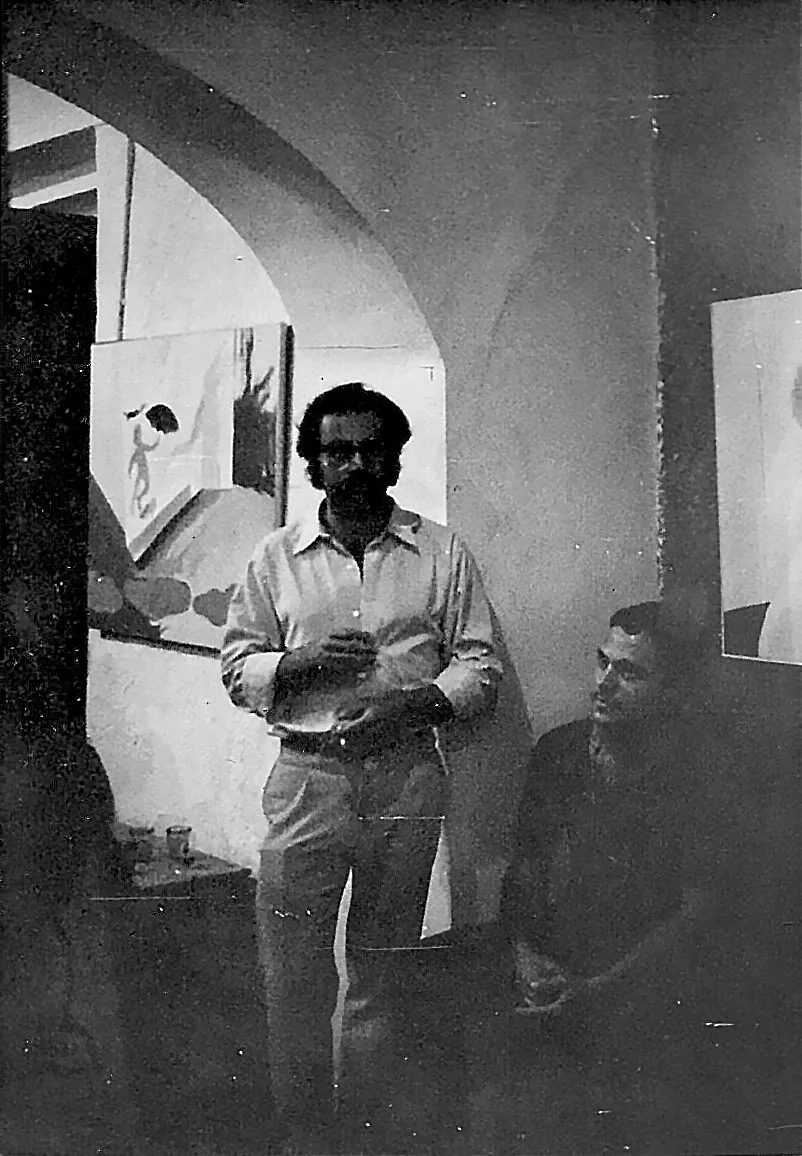
The Fundació documents, after Paris, a stretch of abstract painting of which the public selection does not yet show a single work. Friendship with Gerard Sala, Robert Llimós and Rafael Bartolozzi; the physicist Miquel Masriera introduces him and writes his catalogue text; first solo show at the Club Universitari. In 1966, the exhibition «Noves expressions» marks the turning point.
1967 – 1972 · Vallvidrera, with Bartolozzi
The turn
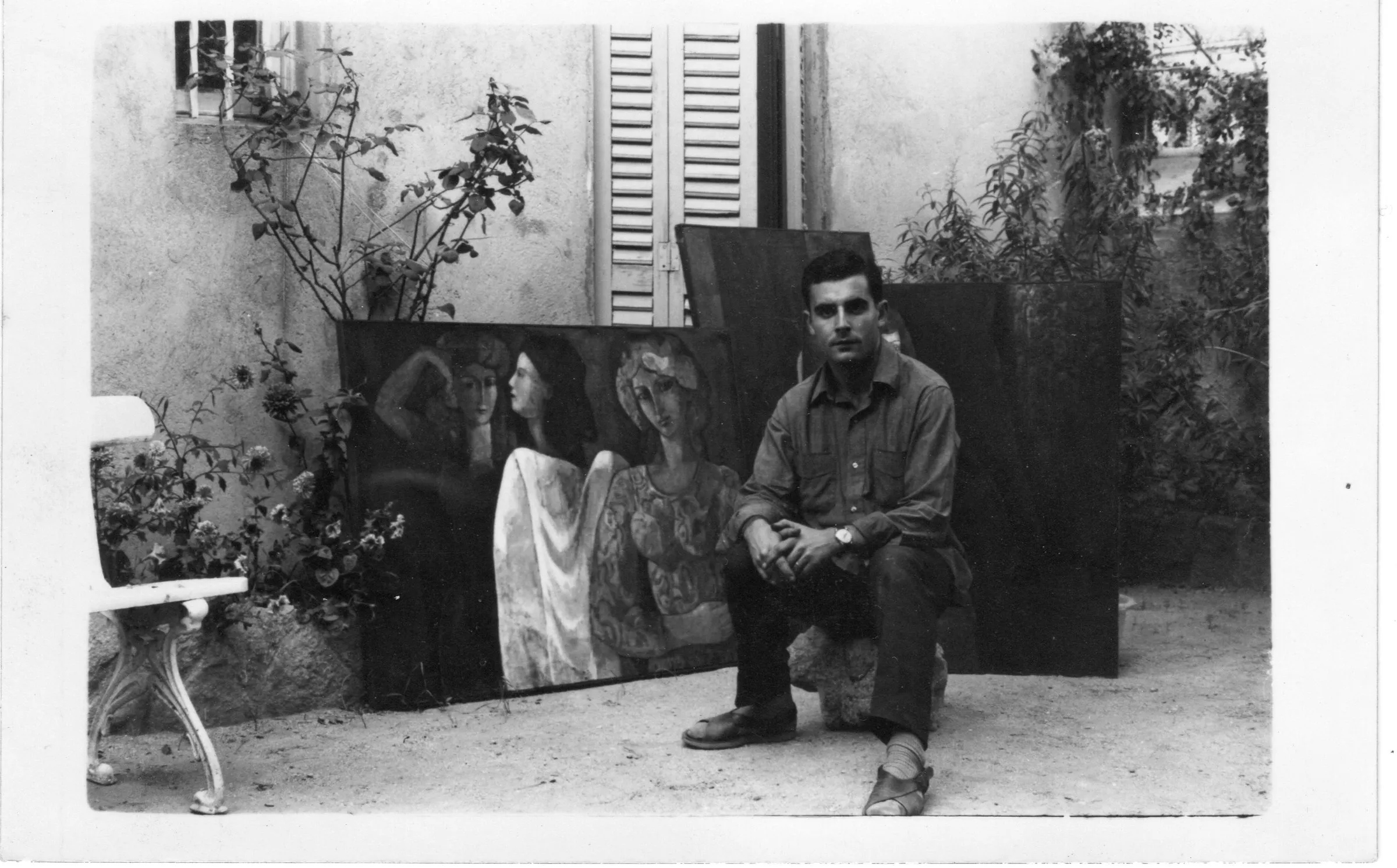
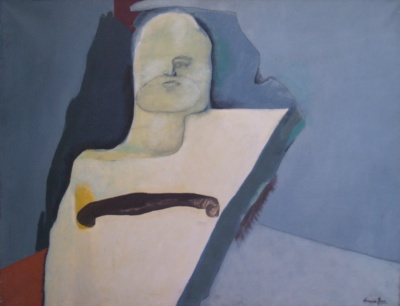
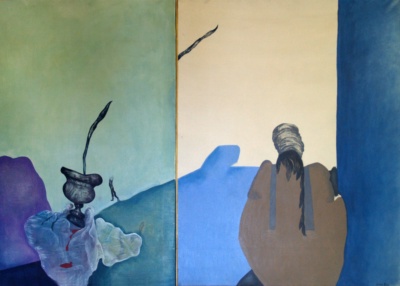
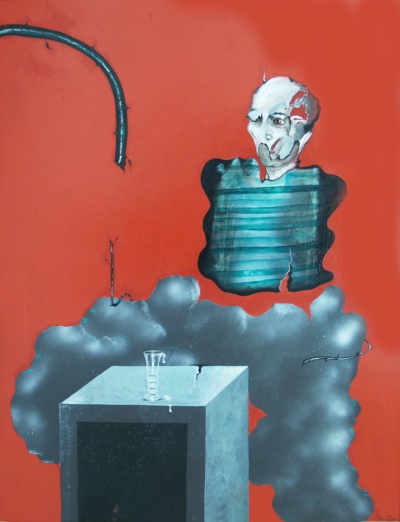
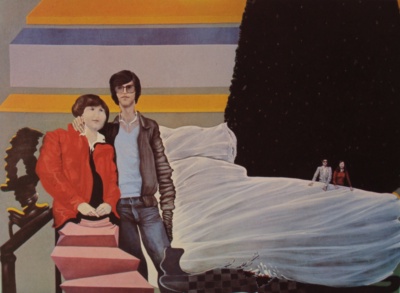
In 1967 he changes radically. Critics coin «new figuration», a label he detested and rejected every time it was put to him.
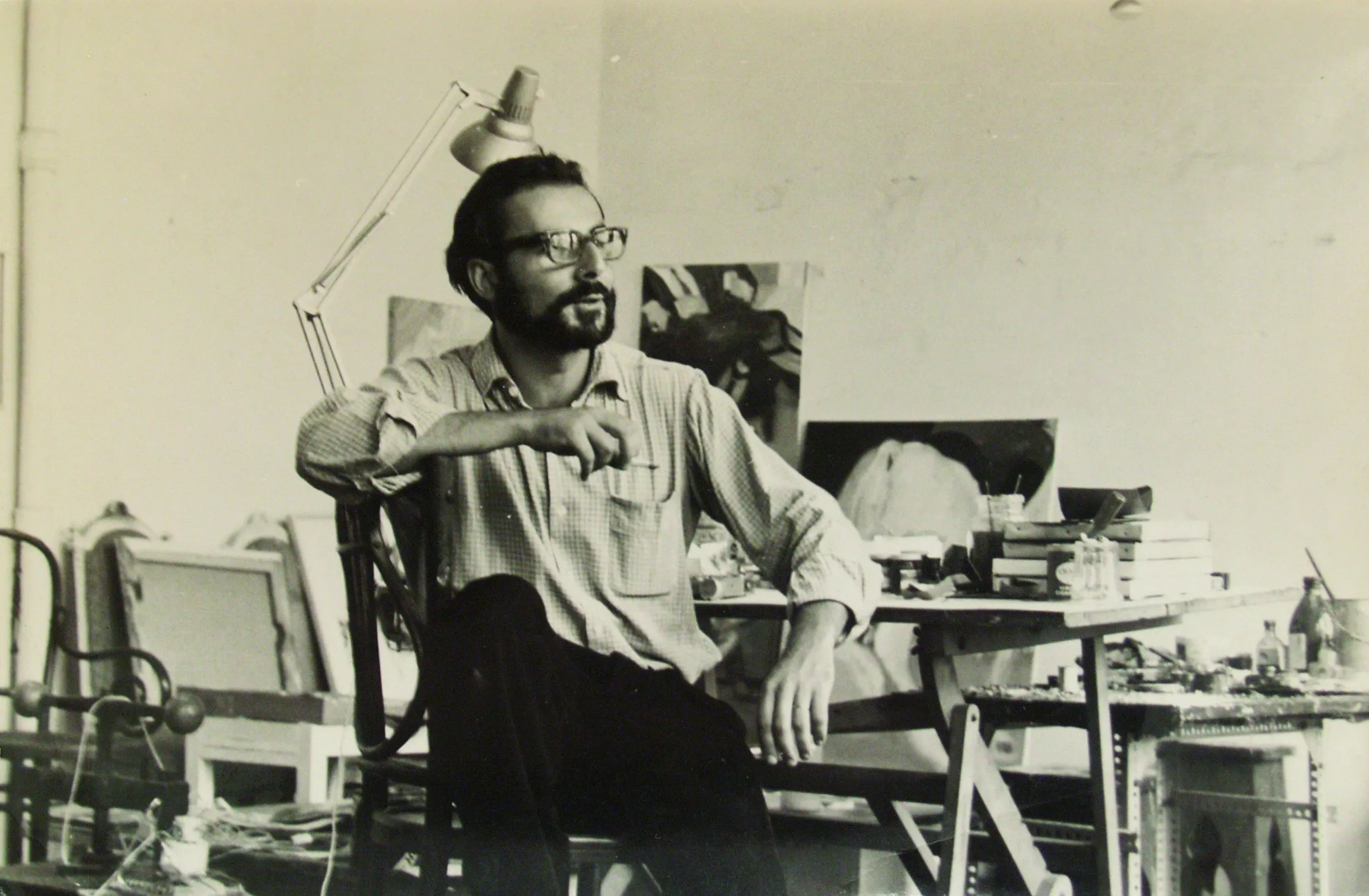
The Estrada Saladrich Biennial and the Biennial in 1967, the Ynglada-Guillot drawing prize in 1968. He moves to Vallvidrera, where he shares a studio with Rafael Bartolozzi. The period culminates in the Tipel factory.
1972 – 1985 · Margodí, Tarragona
The Arranz-Bravo & Bartolozzi tandem
Ten years of four-handed work: exhibitions, murals, painted buildings, design and actions. A hotel in Magaluf in 1973, the façade of the Centre Internacional de Fotografia in Barcelona in 1978, Camilo José Cela’s house in Mallorca in 1979.
«Mides universals», seventy works at the Saló del Tinell, in 1979. The Venice Biennale, thirty-ninth edition, in 1980.
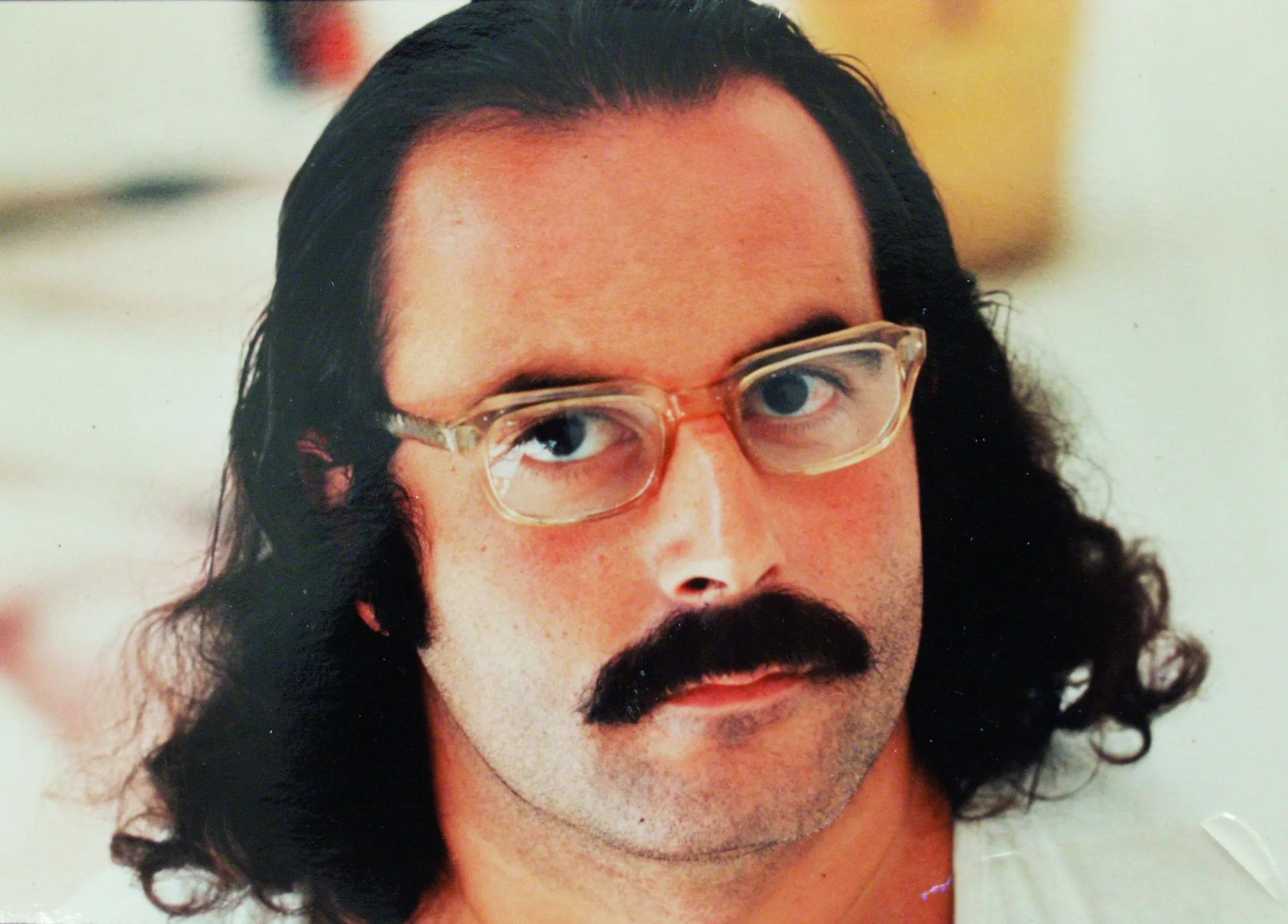
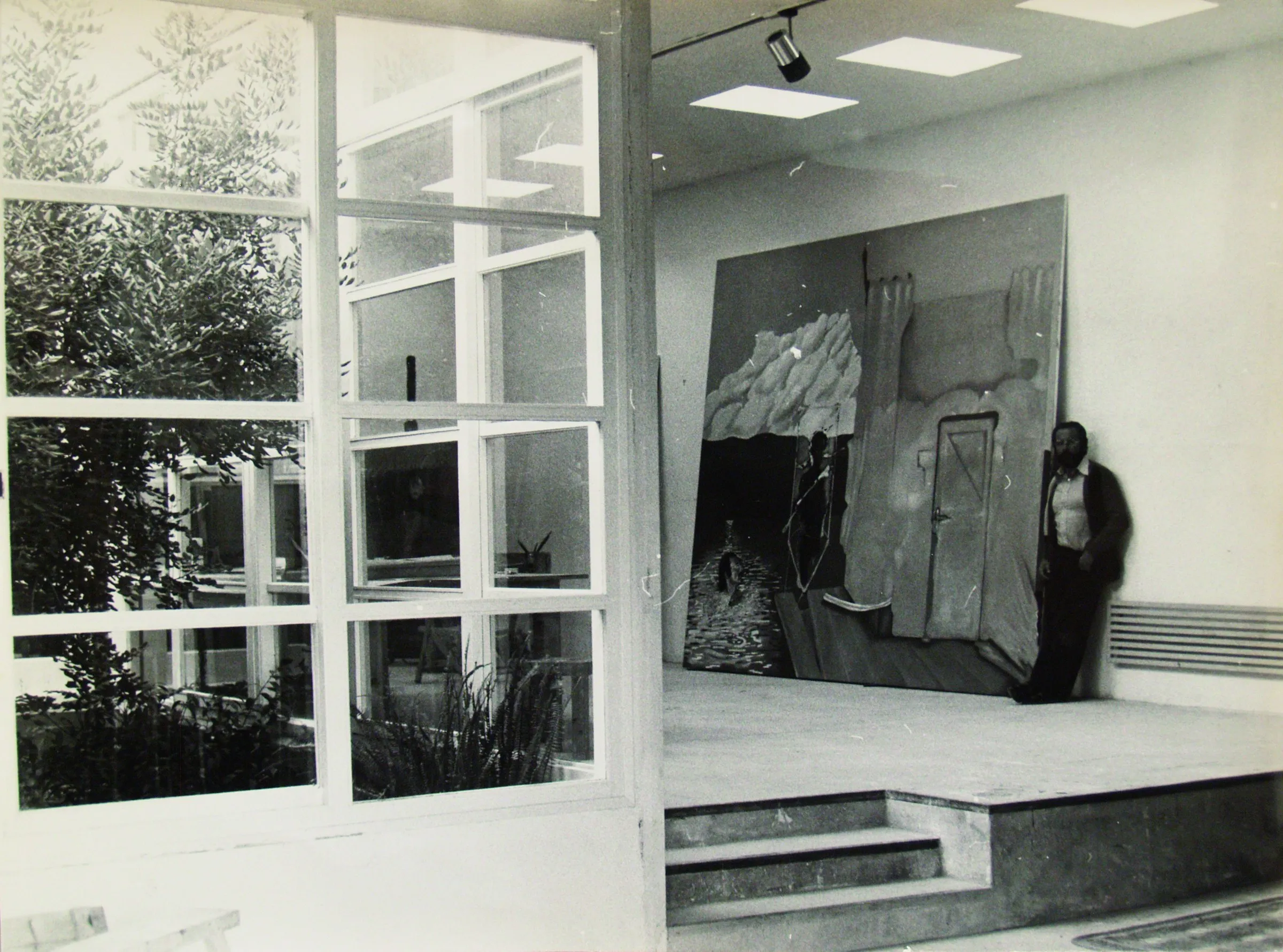
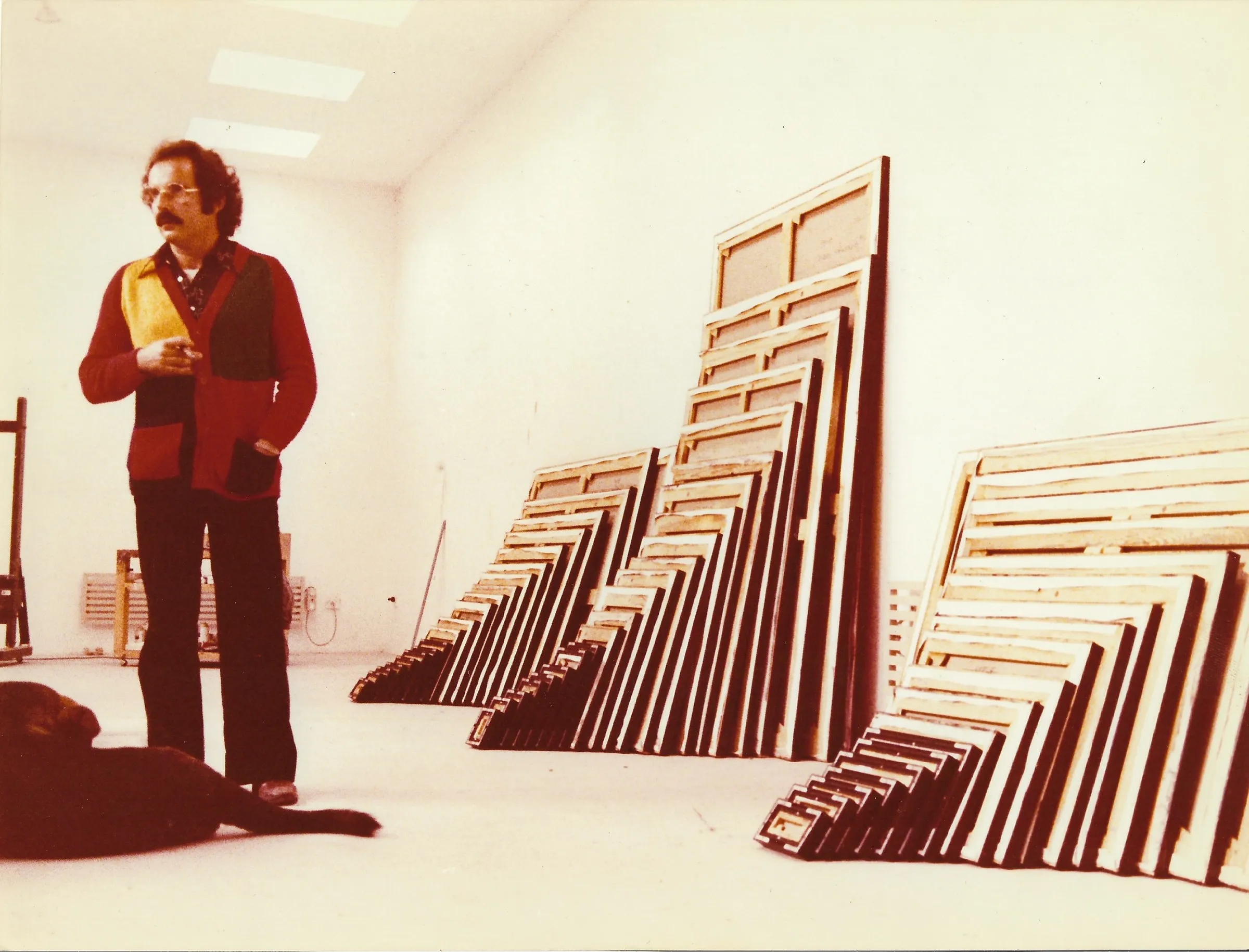
1985 – 1991 · Cadaqués
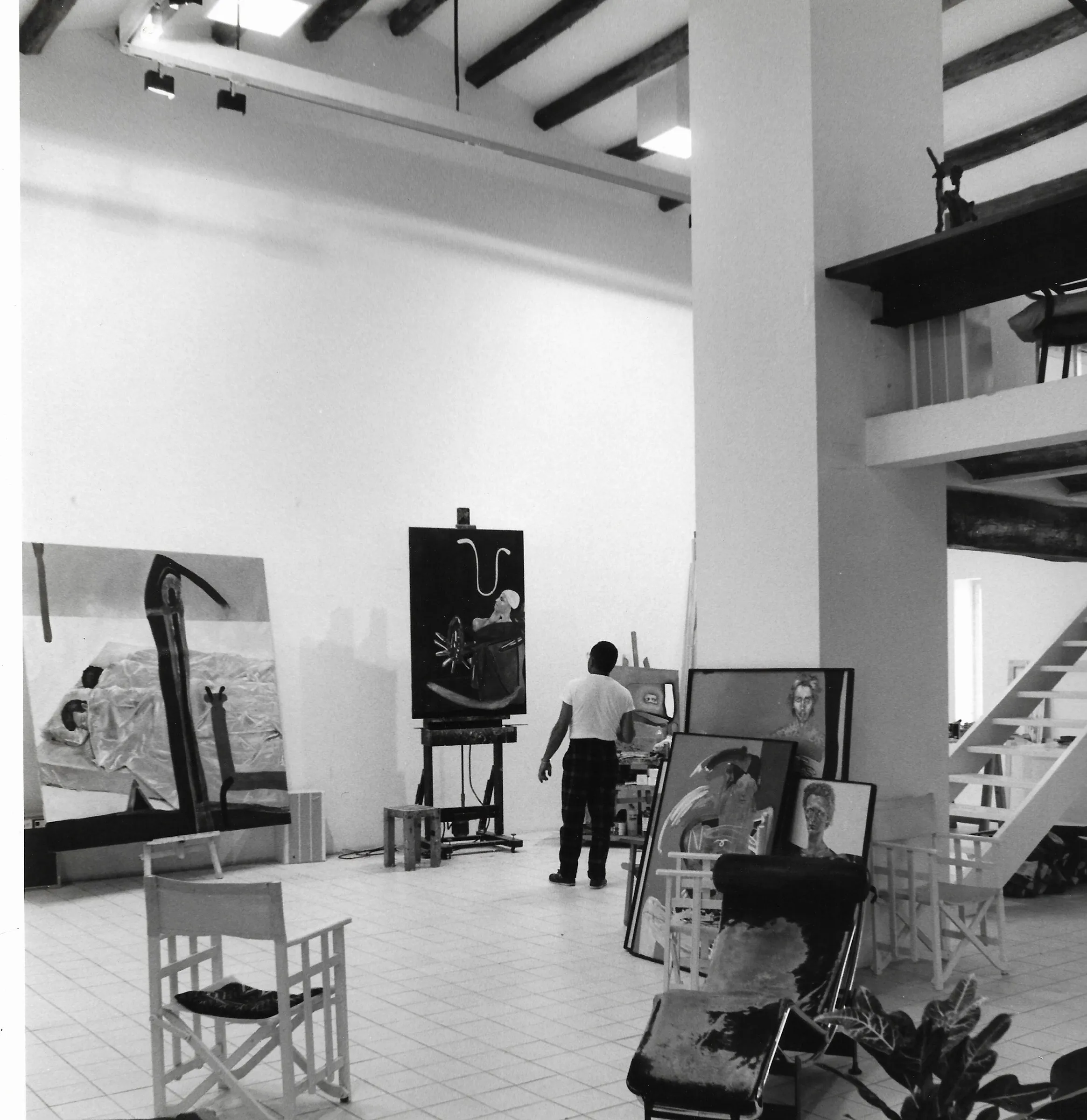
Cadaqués: the former sardine factory
A studio in the former sardine factory in Cadaqués, converted by Lanfranco Bombelli. The lithographic series «La casa», between 1986 and 1988.
Retrospectives at the Palau Robert and the Museum of Modern Art in São Paulo, both in 1989. In 1992, the Paço Imperial in Rio de Janeiro — where, of Spaniards, only Picasso and Miró had shown before — and the Catalan Pavilion at the Seville Expo.
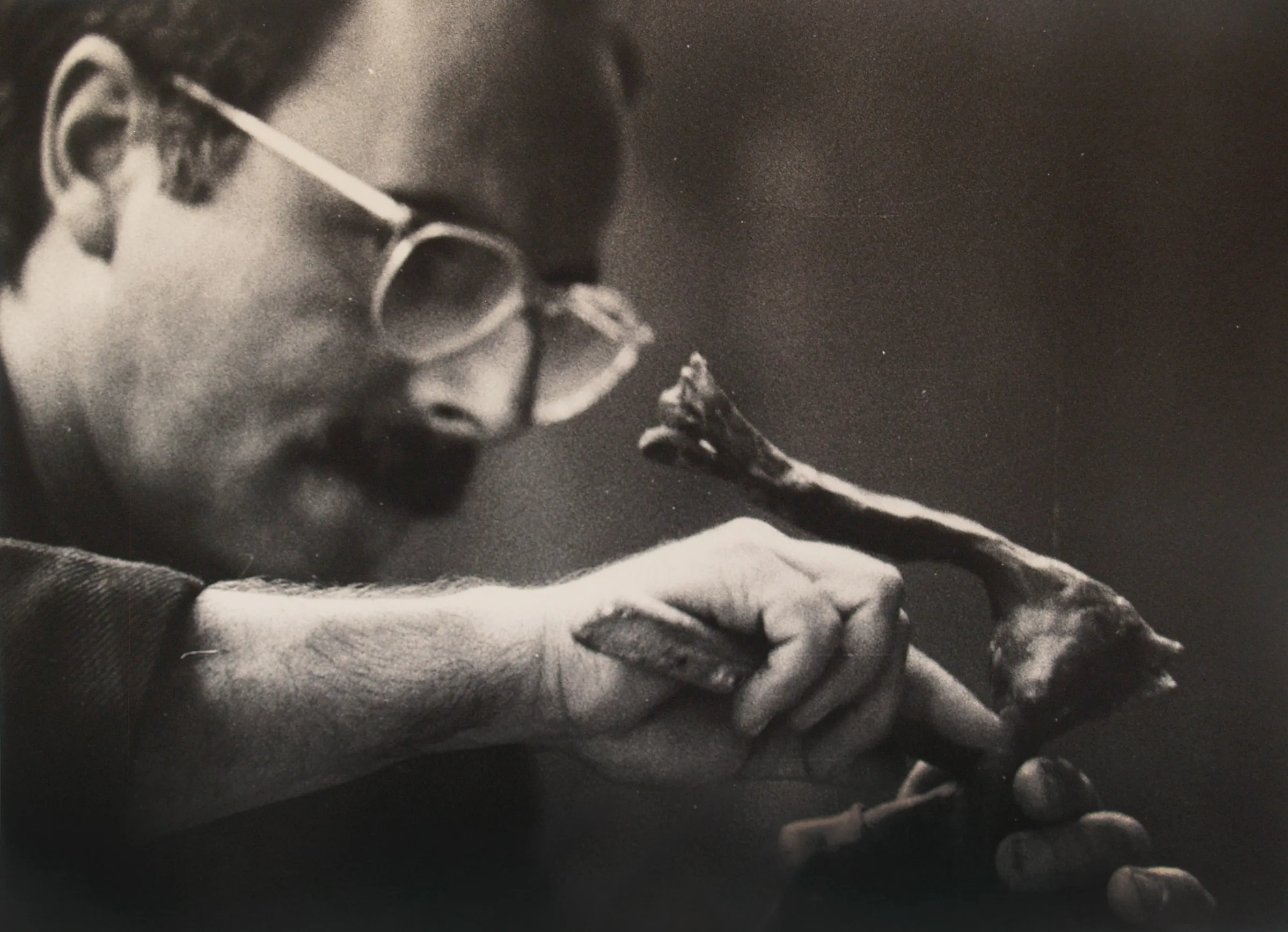
1991 – 2013 · Vallvidrera, the house-studio
The return
He returns to Vallvidrera, to the house-studio. «Fe», at the Reina Sofía, between 1997 and 1998. First exhibition at Franklin Bowles, New York, in 1998: the beginning of a twenty-five-year relationship.
The series «Elements» and «Latituds», in aid of victims of terrorism, in 2002 and 2003. Work with Ferran Adrià. In 2009 the Fundació Arranz-Bravo is created and opens to the public.
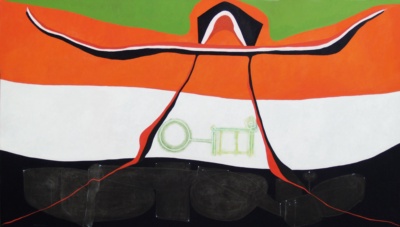
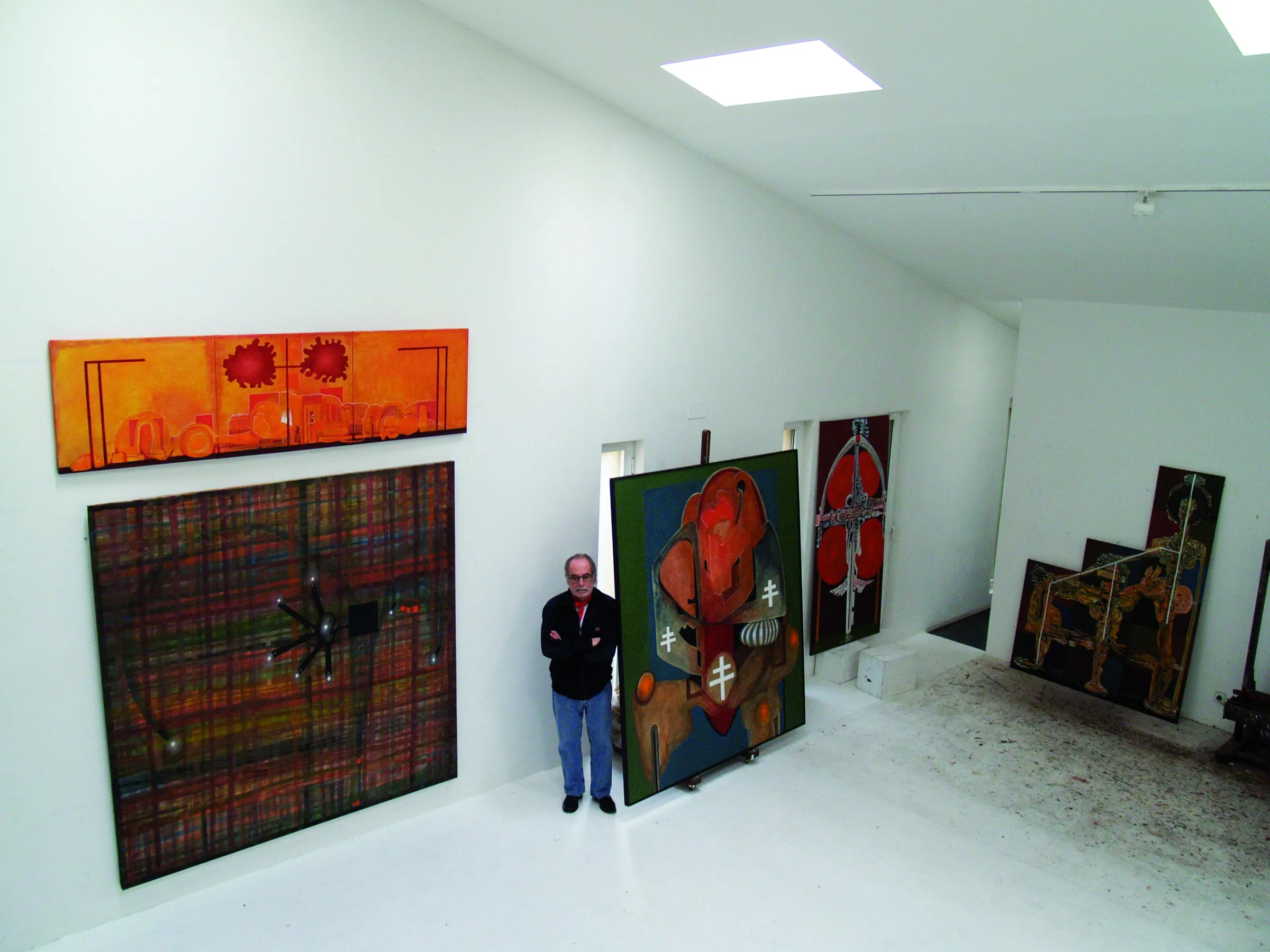
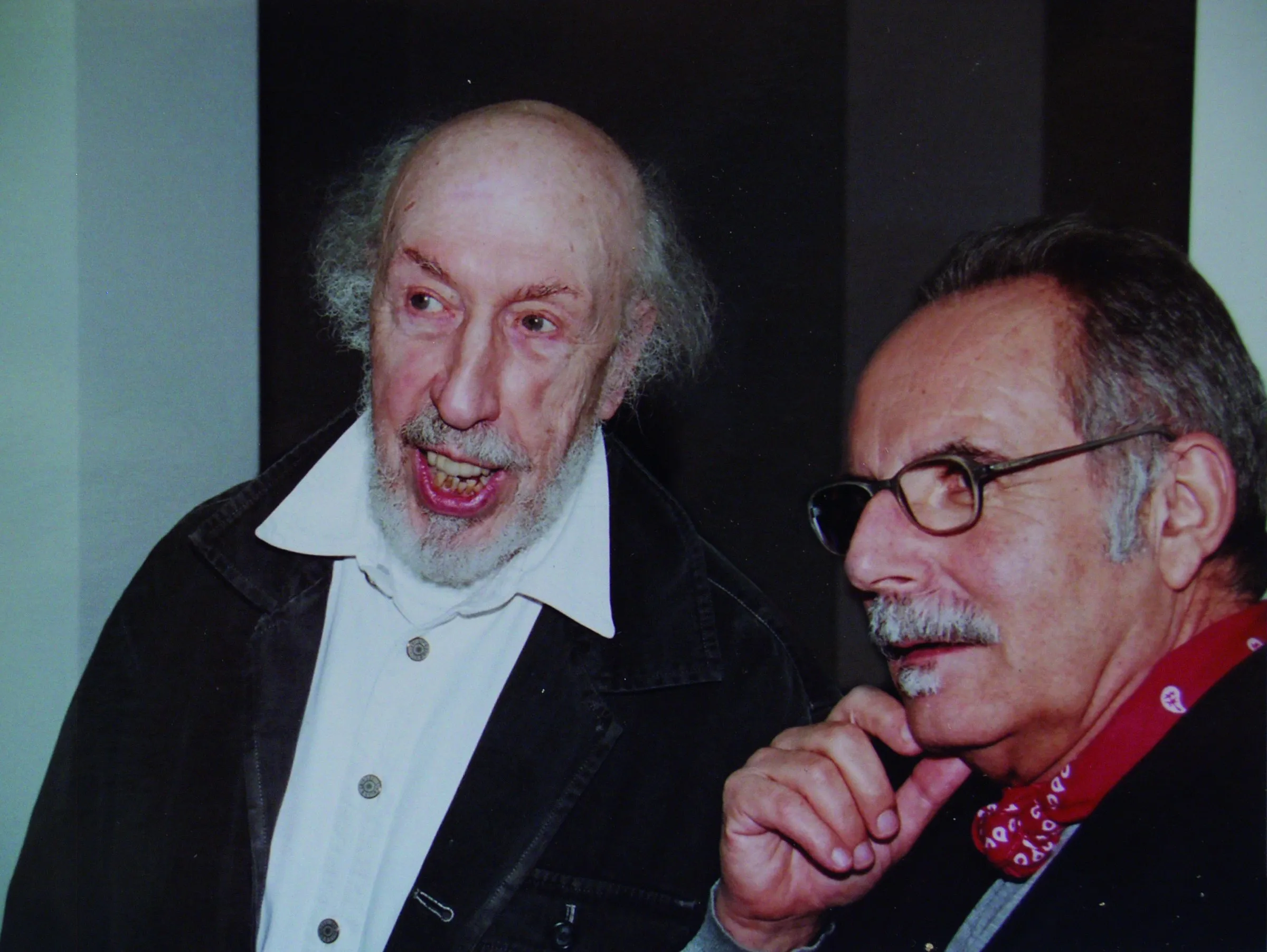
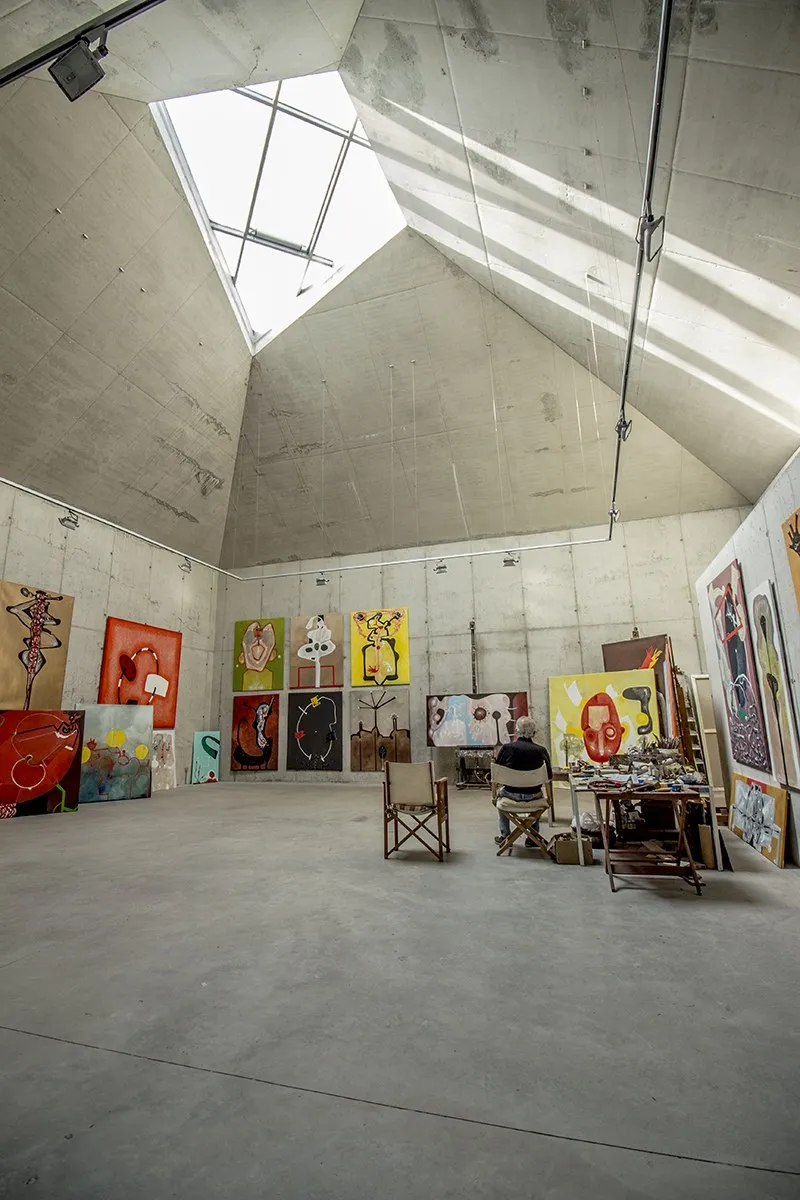
2013 – 2023 · Vallvidrera, the new studio
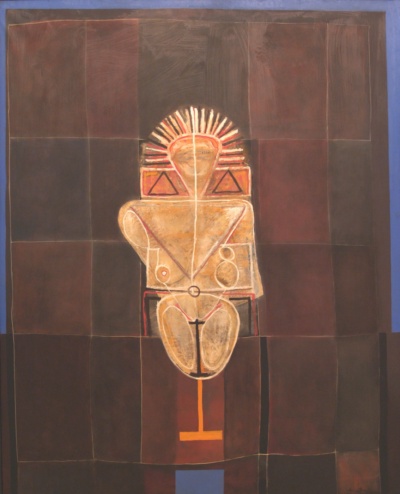
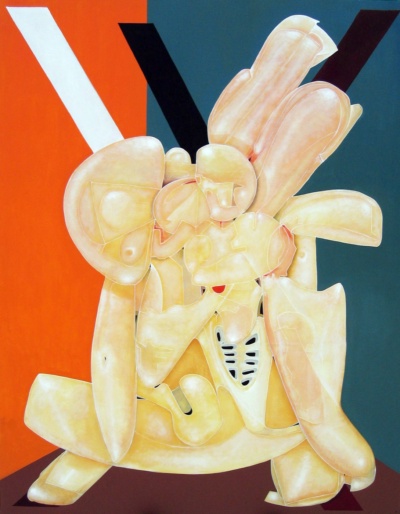
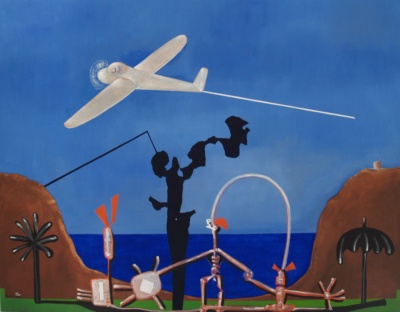
The late work
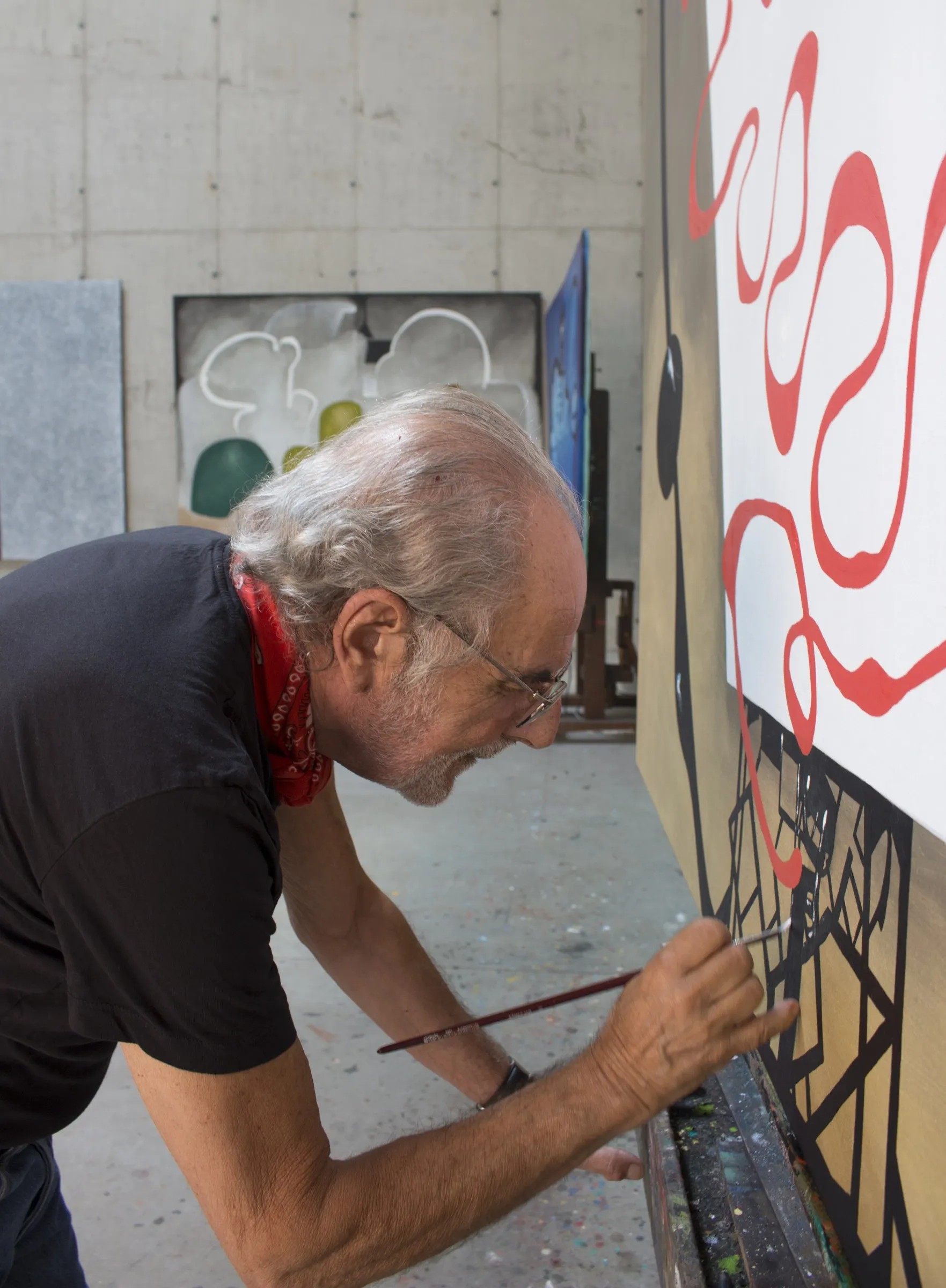
The Garcés · De Seta · Bonet building is completed in 2013. The work of these ten years is made under light from above, without views, among exposed concrete, and in formats of two metres by two and larger.
Shanghai and Moscow in 2014, the Instituto Cervantes in Moscow in 2016. The hull of the cruise ship «Norwegian Encore» in 2019. Restoration of the Tipel between 2019 and 2020. He dictates his memoirs between 2020 and 2023.
The four centres
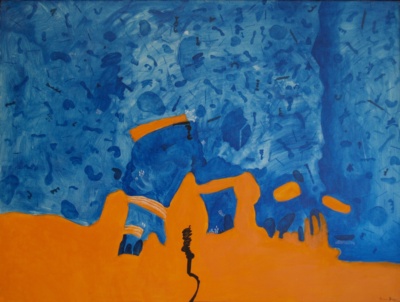
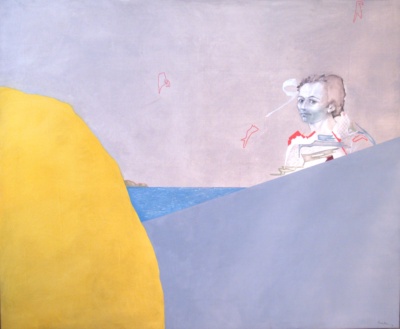
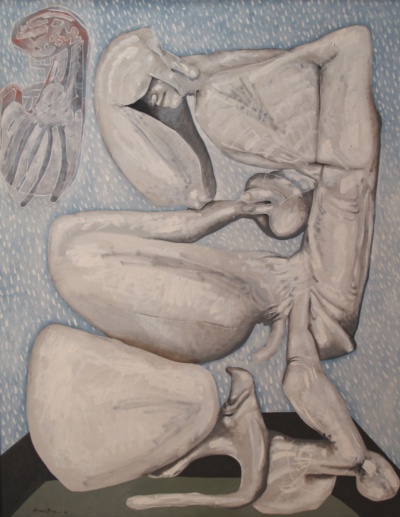
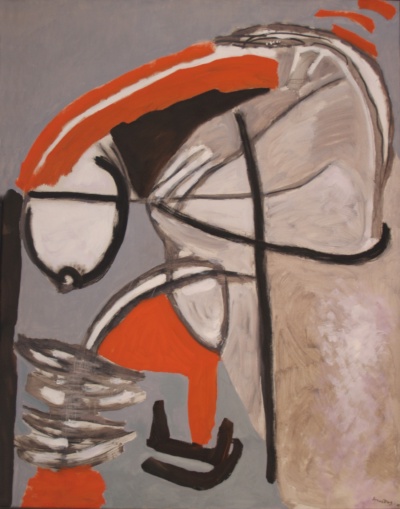
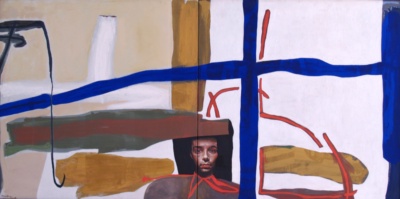
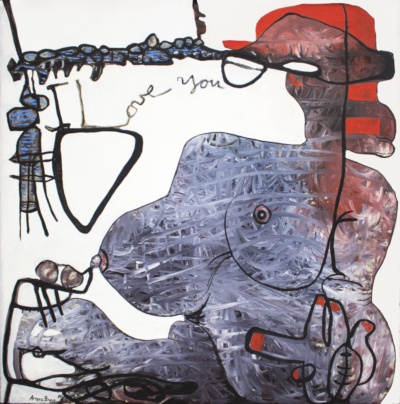
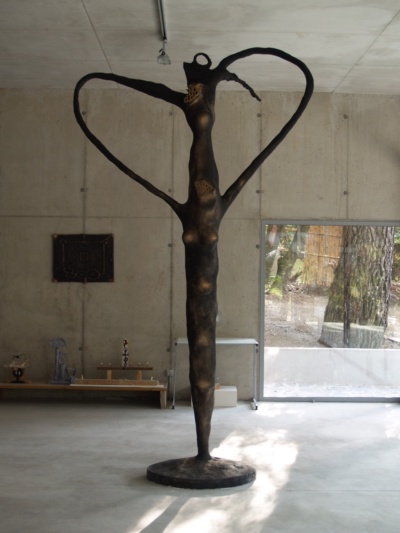
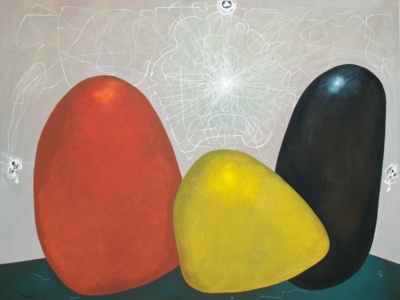
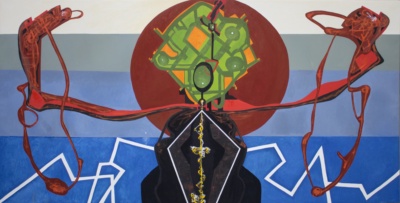
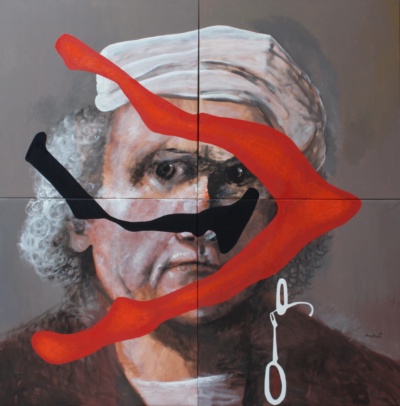
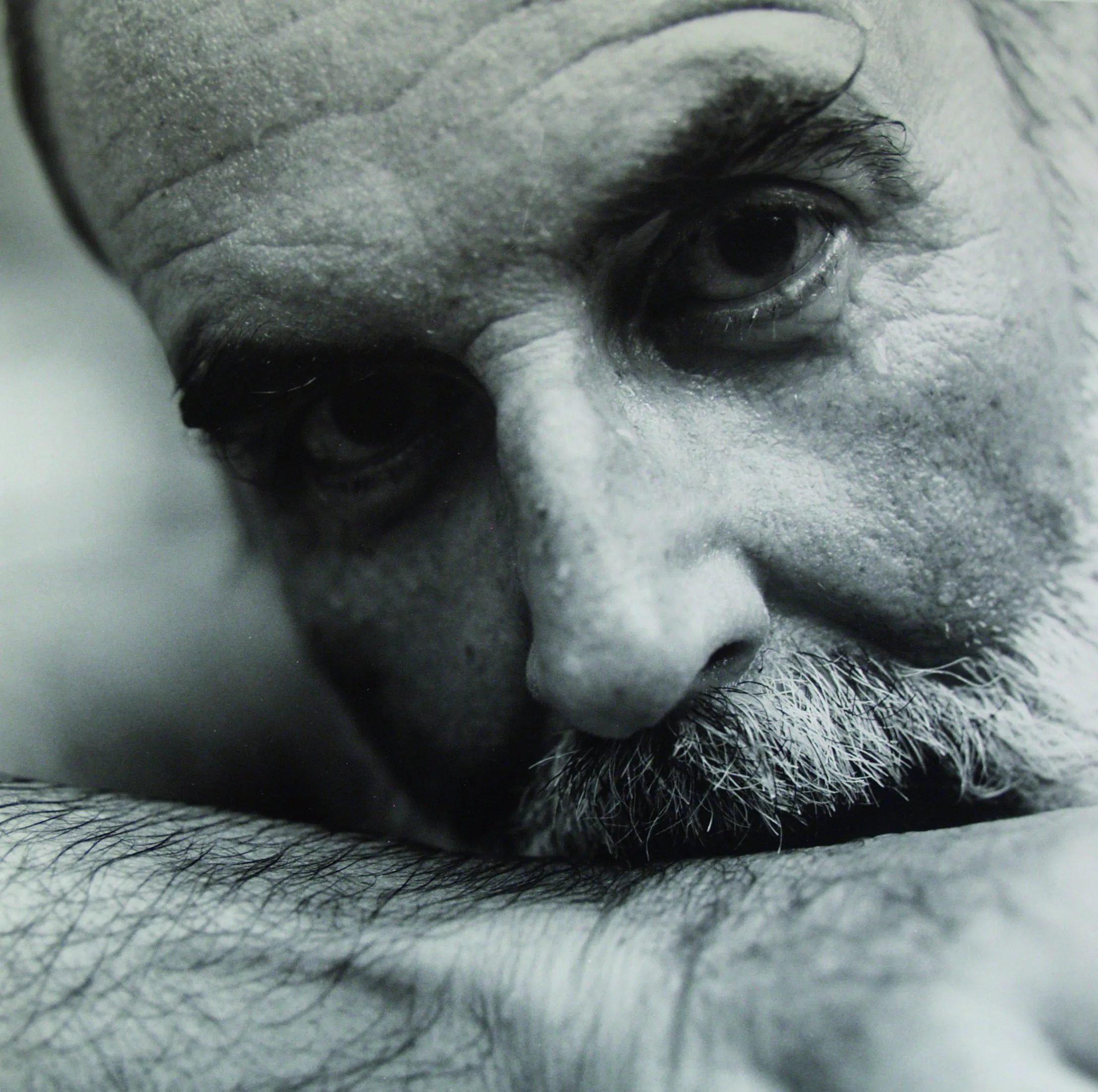
From 1980 onwards the fragmented style gives way to a looser brushstroke and to work full of colour, red above all. Critics identify in it four anatomical centres he painted obsessively: the head, the heart, the eyes and the hands.
The Vallvidrera studio · The catalogue · The Fundació Arranz-Bravo
The whole life, year by year, can be followed on the website of the Fundació Arranz-Bravo: the biography and the solo exhibitions .